
Who a GPS tracker is for
- Dogs that bolt when scared, especially around Bonfire Night and New Year. See our fireworks guide.
- Scent hounds and gundogs (beagles, spaniels, labradors) that follow their nose and forget recall.
- Rescue dogs in their first months, before you know how they react off lead.
- Countryside walkers, where a dog can disappear into woods or fields in seconds.
The subscription question
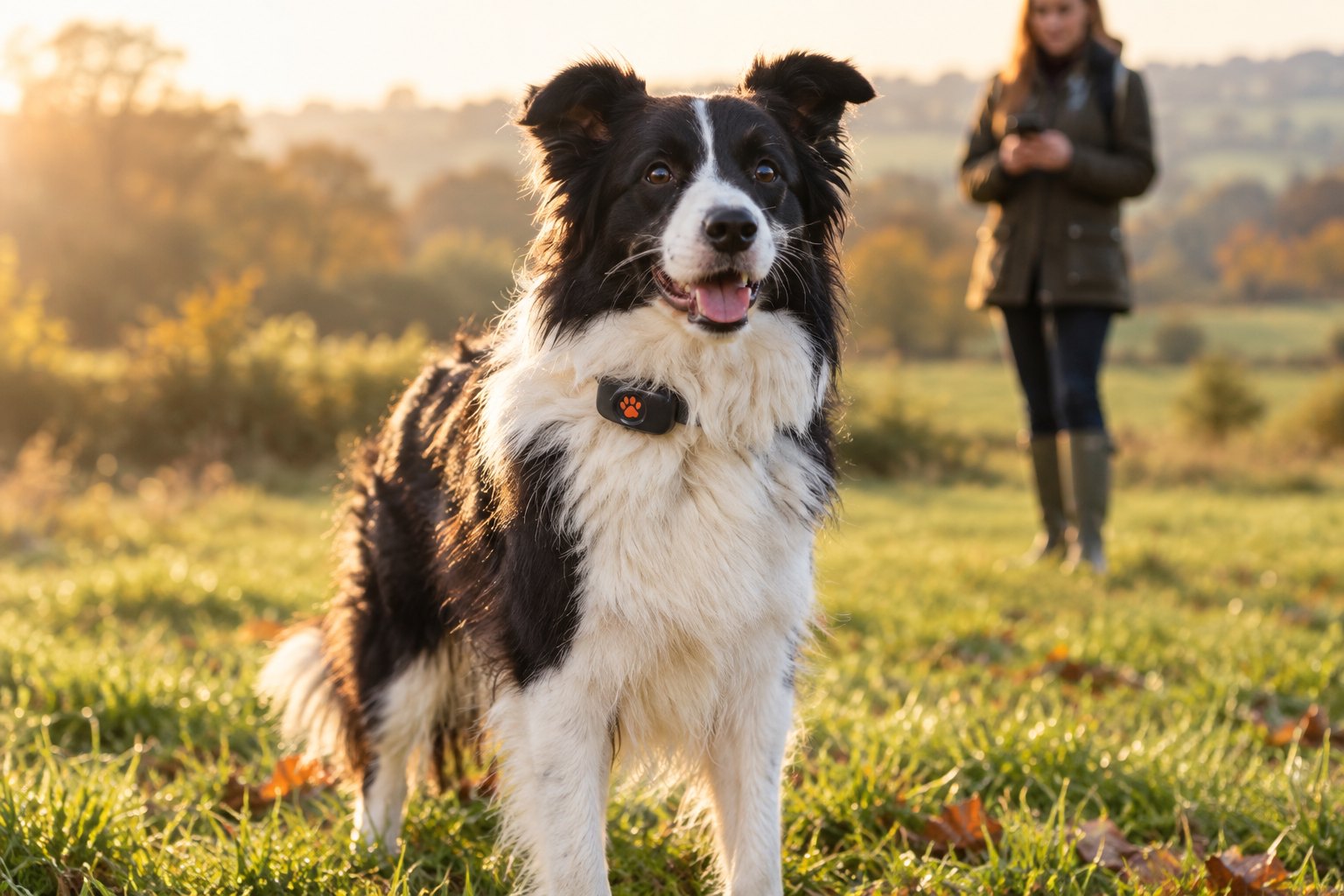
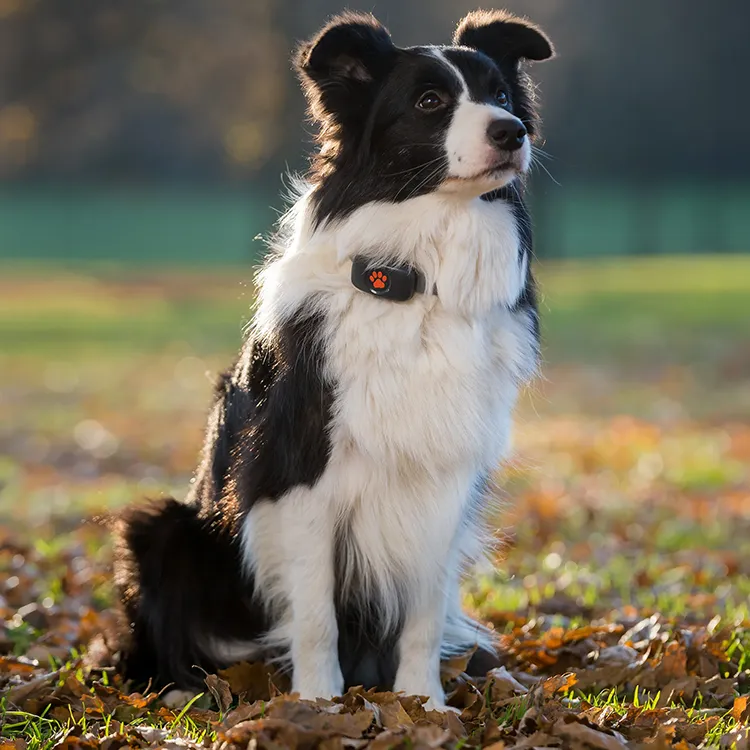
Many GPS trackers need a monthly subscription, because the device uses a mobile network to send its location. Over a dog's lifetime that can cost more than the tracker. The PitPat Dog GPS Tracker costs £149 and PitPat says no subscription is needed to find your dog. Its battery lasts at least several days, and up to several weeks where the signal is good.
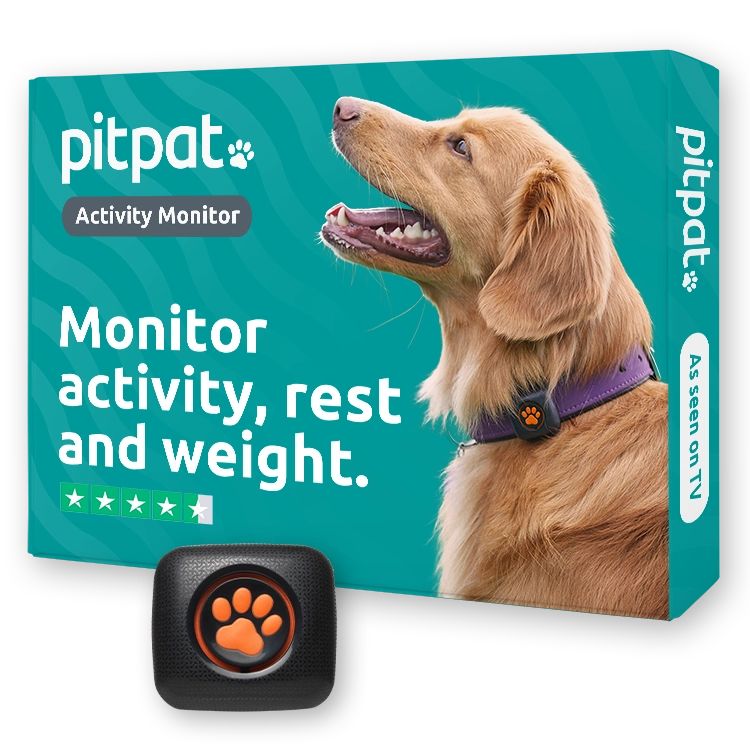
If you mainly want to know how active your dog is, not where they are, the PitPat Dog Activity Monitor (£49) tracks walks and play, and its battery lasts over a year without charging. It does not show location.
What a tracker doesn't replace
- A microchip: it's a legal requirement for dogs in England, Scotland and Wales, and keeping your details up to date is how a found dog gets home.
- An ID tag: in public, your dog must wear a collar and tag with your name and address.
- Recall training: a tracker helps you find a dog, a good recall stops you needing to.
Before you buy
- Check mobile coverage where you usually walk. GPS trackers work best with a decent signal.
- Think about charging. A tracker with a flat battery can't help, so make charging part of your routine.
- Check it fits your dog's collar and is light enough for a small dog.
More gadgets and gear for your dog are in our shop.